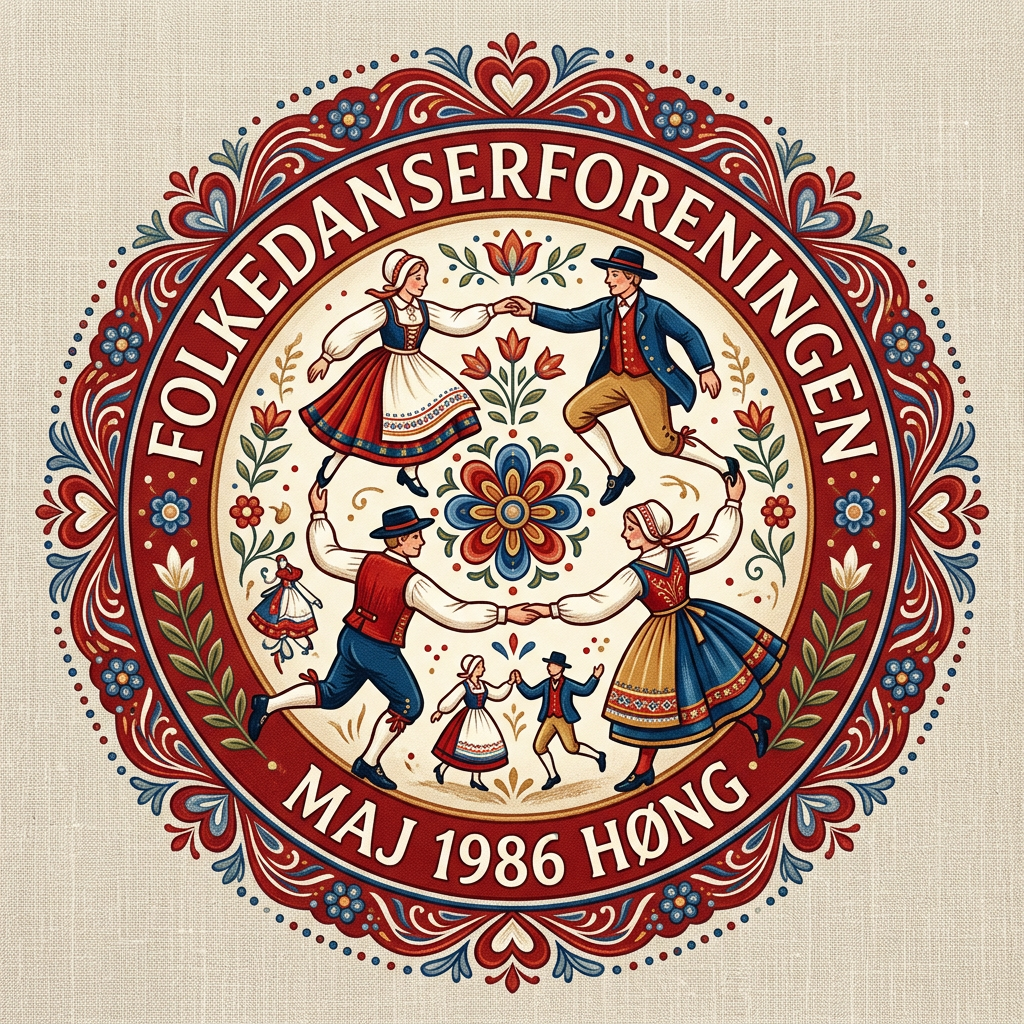
Traditional Danish Folk Dance
Traditional Danish dancing reflects historical and regional cultural practices. Partner dancing, group formations, timing, rhythm, musical interpretation, and social customs offer meaningful opportunities for cultural appreciation.
Folk Dance Learning
Learning traditional steps and formations can encourage attention, coordination, cooperation, and musical awareness. Cultural learning also explores the meaning of patterns and social customs.
Traditional Music Appreciation
Rhythm, melody, tempo, and performance traditions influence the character of dance. Appreciating the music helps make sense of both expressive movement and group coordination.
Cultural Heritage Awareness
Dance represents a part of cultural history. Exploring how traditions are remembered and passed between generations helps connect cultural memory with contemporary interests.
Community Dance Culture
Shared movement and musical traditions can bring people together. The communication and cooperation involved in dance give it a distinctive social significance.
Intergenerational Cultural Exchange
Traditional practices create opportunities for different ages to appreciate shared heritage. Storytelling, cultural memory, and learning can connect generations.
Dance and Personal Well-being
Dance can offer physical movement, enjoyment, positive social interaction, and self-expression. This is not a claim of medical or therapeutic benefit.
Folk Dance Traditions in Denmark
Regional differences in movement, music, clothing, and social customs reveal the diversity of Danish folk dance. No particular repertoire or preservation project is attributed to this association without supporting records.
Cultural Collaboration
Exchange among cultural associations and creative practitioners can encourage artistic curiosity and appreciation of traditional music and dance.