Historical Background
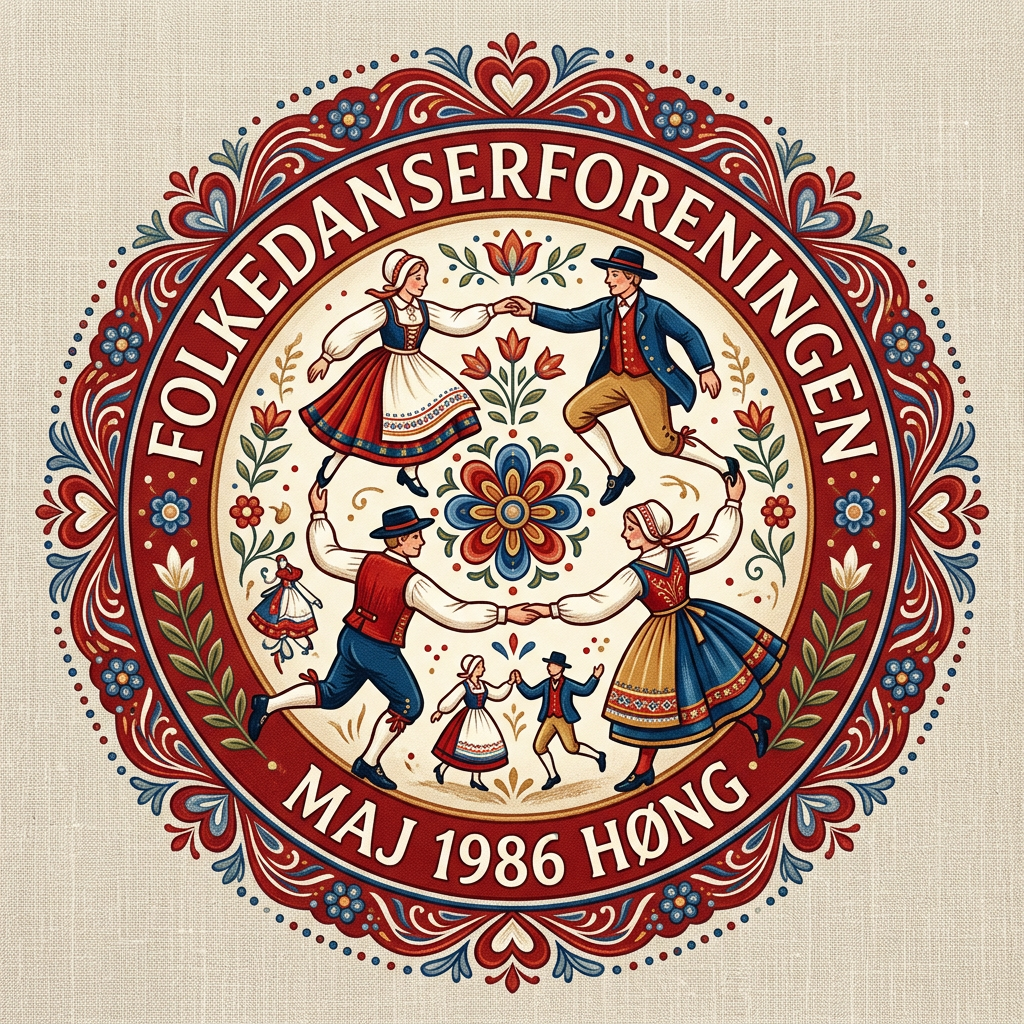
Danish folk dancing has been associated with social gatherings, celebrations, and shared community customs. Dance provides a way to understand the connection between historical daily life and artistic expression. Traditions evolve as people remember, interpret, and share them.
Dance and Traditional Music
Rhythm and melody give a dance its pace and character. Repeated musical phrases can guide steps, changes of direction, and group formations. Musical interpretation and coordination connect individual movement to a shared pattern.
Regional Traditions
Denmark’s regions have diverse musical and dance customs shaped by local histories and social practices. This diversity deserves attention without reducing heritage to a single uniform style. We do not claim that specific regional dances belong to the association’s repertoire.
Dance Formations
Partner movement, circles, lines, and coordinated group patterns are common concepts in traditional social dance. Formations depend on communication, timing, and awareness of other dancers.
Clothing and Cultural Expression
Traditional clothing can express regional identity, historical styles, craftsmanship, and cultural memory. Clothing seen in supplied photographs should not be taken as an inventory of costumes owned by the association.
Cultural Learning
Learning about dance includes more than memorizing steps. Music, social customs, historical context, and regional variation deepen an appreciation of cultural expression.
Heritage Across Generations
Traditions are remembered through observation, participation, conversation, and shared knowledge. Intergenerational exchange connects the experiences of earlier generations with contemporary curiosity.
Folk Dance in Contemporary Culture
Historical artistic practices can remain meaningful when people continue to explore and appreciate them. Folk dancing can offer a connection to heritage alongside creative expression and community relationships.