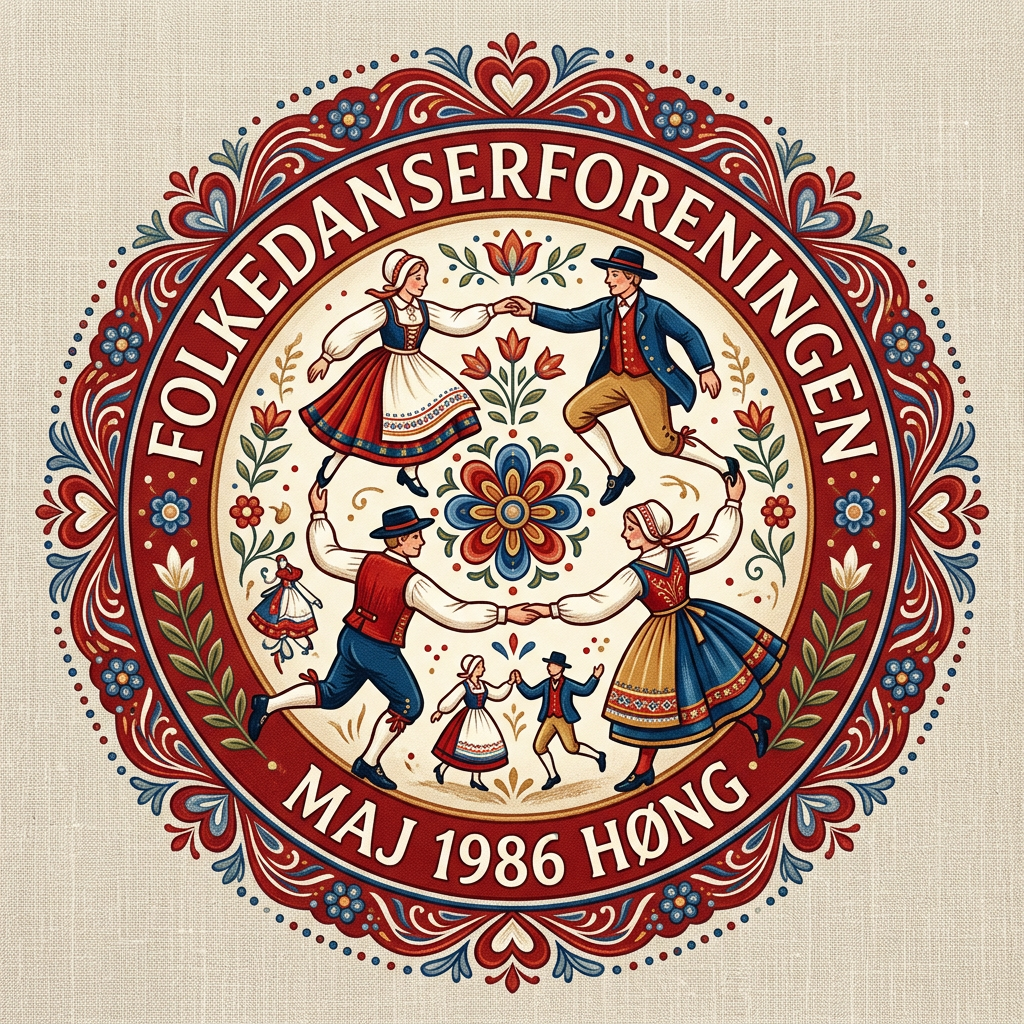
Community Connections
Shared cultural interests provide a starting point for conversation and meaningful relationships. Traditional dance creates a coordinated experience in which people contribute to something larger than an individual performance.
Intergenerational Understanding
Traditional practices can prompt conversations between people of different ages. Cultural memory and curiosity make space for learning in both directions.
Cooperation and Communication
Timing, spatial awareness, and coordination depend on responding to others. Folk dancing illustrates the value of shared responsibility and respectful participation.
Cultural Education
Exploring steps, music, and historical context helps develop an informed appreciation of traditional arts. Learning can include listening, watching, discussing, and practicing.
Appreciation of Danish Traditions
Regional customs contribute to the richness of Denmark’s cultural landscape. We value respectful interest in these traditions and their continued relevance.
The Role of Cultural Associations
Cultural associations can provide a shared focus for artistic interests, organizational communication, and community dialogue. Actual activities should always be confirmed with the association.
Social Dance Traditions
Social dancing combines artistic expression with interaction. Partner and group patterns encourage attention, mutual consideration, and a shared sense of rhythm.