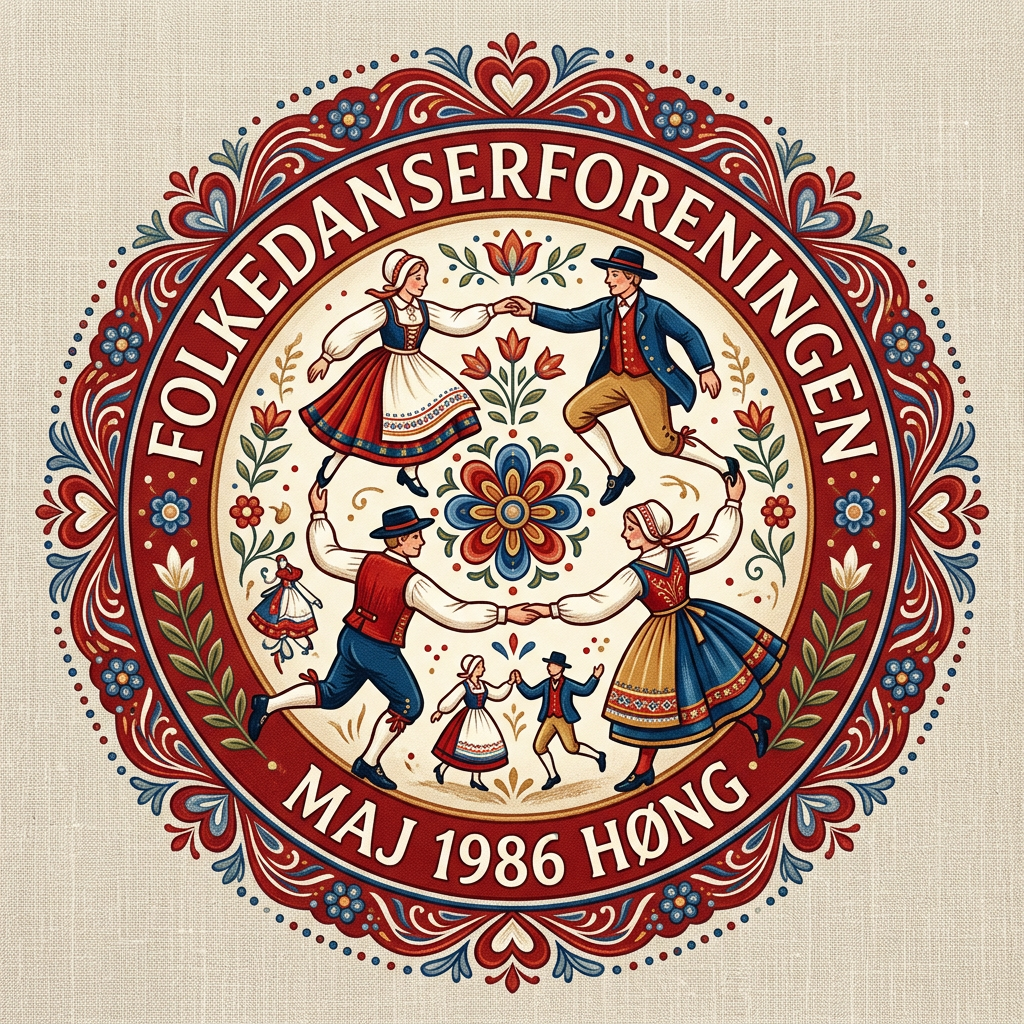
The Cultural Importance of Danish Folk Dance
Traditional dancing connects artistic expression with community history. Steps, formations, and music reveal how people have gathered, cooperated, and expressed shared cultural interests. Appreciation of dance helps preserve awareness of these connections without treating tradition as unchanging.
The Relationship Between Folk Music and Movement
Musical rhythm establishes a shared pace while melody shapes expressive character. Repeating phrases often help dancers coordinate patterns and transitions. Listening is part of dancing: movement responds to the structure and feeling of the music.
Why Cultural Heritage Matters
Cultural heritage provides a connection to earlier experiences and shared knowledge. Its value lies not only in preservation but also in thoughtful interpretation and exchange. Understanding traditions can deepen curiosity about how communities change.
Folk Dance and Community Connection
Group movement relies on cooperation, communication, and awareness. Partners and groups coordinate their actions while retaining individual expression. This balance contributes to the social significance of traditional dance.
Understanding Traditional Dance Formations
Circles, partner patterns, and group formations organize a shared space. Their structure supports timing, changes in direction, and interaction among dancers. Different formations create different relationships between participants and music.
Cultural Traditions Across Generations
Traditions are shared through practice, observation, and conversation. Older experiences and younger perspectives can enrich one another. Intergenerational understanding allows heritage to be explored rather than simply repeated.
Appreciating Denmark’s Regional Dance Heritage
Local histories, music, and social customs contribute to a varied cultural landscape. Regional diversity reminds us that Danish folk dance is not one uniform tradition. Respectful exploration begins with curiosity and attention to context.